
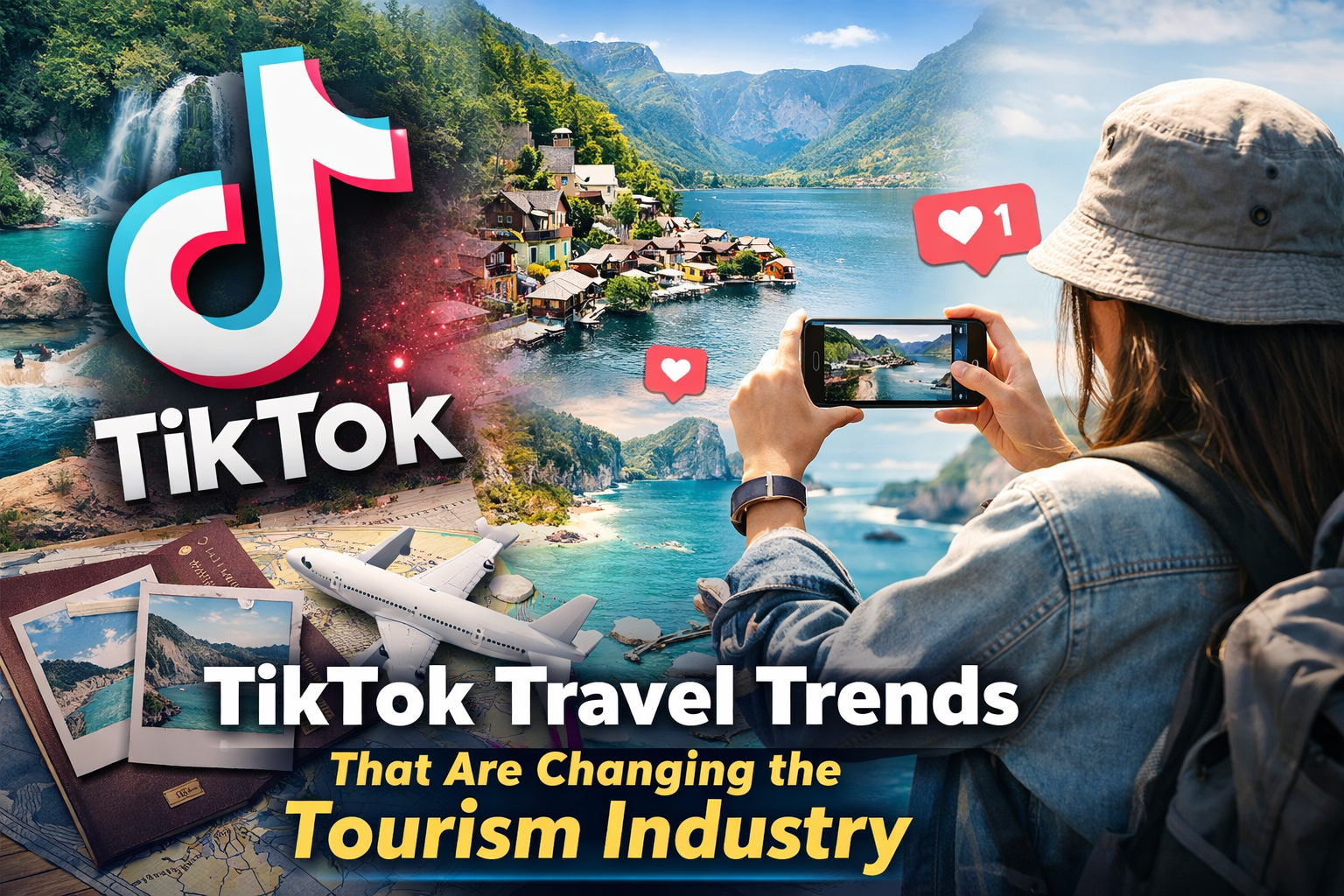

The rapid changes that are
occurring in the global tourism industry are mainly due to the popular new
social media platform TikTok transforming into a powerful discovery tool for
Millennials (1995-2010) and Gen Z (1997-2012) looking to explore travel
options. TikTok primarily shares insight about travel through short, fun moving
images rather than using traditional search methods to motivate consumers to
think about and choose new places to travel on a dime.
In 2026, TikTok not only has
significant influence over where people travel but also changes how
destinations market, experience, and monetise themselves to their target
audience.
The Rise of Discovery-First Travel
Traditionally, most travellers
would start their plan with some kind of search engine, blog or travel agency;
now, Gen Z travellers are starting their trip by checking Tik Tok first for
inspiration. Instead of searching for a destination using a search engine, Tik
Tok users are scrolling through curated clips of the destinations they might
not have thought about yet. The travel funnel has shifted to a "discovery
first" model: the traveller's decision to travel goes from being based on
research to being based on an emotional connection and a visually appealing
image... viral hashtags created by Gen Z (e.g., #TravelTok, #HiddenGems) have
led to previously unknown or little-known (but beautiful) places becoming
trending in days.
Viral Destinations and Demand Surges
TikTok has an enormous impact on
tourism by creating many viral destinations. Just one video (e.g. of a
beautiful place, cafe or cultural experience) can get millions of views and
generate tremendous interest in travelling to that location.
This impact can be positive as it
creates business and helps give a presence to small businesses; on the other
hand, it may cause an overabundance of tourists, place pressure on the
infrastructure and lead to environmental stress. Tourism authorities are now
observing Trends on TikTok so they can prepare for the sudden increase in
demand created by TikTok.
Authentic Content Over Polished Marketing
Traditionally, travel advertising
focuses on traditional methods. TikTok however has shifted its focus to
authenticity, raw, relatable content is generally more successful than
high-style polished campaigns. The general population, especially Gen Z,
prefers genuine experiences, ranging from detailed honest reviews, tips on how
to stay within your budget and traveling misadventures.
Due to this shift in attitude,
tourism companies are having to re-evaluate how they promote and market
themselves. Rather than spending money on expensive, polished advertising,
tourism companies are now focusing on creating real relationships with their
followers through the use of micro-influencers to tell genuine and compelling
stories. Authenticity is being seen as one of the most important factors when
developing a trust or engagement with your audience when it comes to travel
marketing.
From Inspiration to Instant Booking
TikTok is now a major source of
inspiration and is driving booking behaviour. Many travel-related decisions
occur soon after watching interesting content on the platform. Travel companies
are adapting to this trend by creating content to convert, using compelling
visual hooks in the first few seconds, providing clear CTAs, and including
location tags to help users find their audience. TikTok is therefore connecting
users with potential travel experiences, from inspiration to transaction.
The Growth of Aesthetic Travel
The popularity of TikTok is based
on its ability to tell stories visually, resulting in the growth of 'aesthetic
travel' (Destinations are now being measured by their attractiveness and how
easy they are to share on social networks). Therefore, Travelers seek out
places that have:
- Distinctive color patterns/design
characteristics
- Beautiful backgrounds that can
be filmed in short clips
- Simple/cinematic settings, like
hotels, coffee shops & even cities!
Hotels, cafes & cities are
being developed to enhance the creation & sharing of social media content
(i.e., Travel Experiences).
Empowering Local Businesses
Tourism marketing, due to the
rise of TikTok, is now accessible for small companies everywhere to gain
exposure around the world. A viral video can create an influx of foot traffic,
increase consumers’ awareness of your brand and even generate sales that would
never have been possible if you had spent money on traditional forms of
advertisement.
Cafes, boutiques, hotels, and
street vendors use TikTok to attract international customers, while tourism
boards have begun to implement targeted campaigns, work with creators, and use
trending formats on the app.
This is an evolution of marketing
from the traditional model in which companies promoted their services via
advertisements to one in which companies promote themselves through their
communities.
Challenges and Sustainability
Concerns
Although there are many benefits
associated with TikTok-inspired travel trends, there can also be negative
consequences arising from those same trends. For example, as tourist numbers
increase rapidly due to viral videos, ongoing events can lead to an overtourism
problem, which results in both environmental damage and disruption of the local
community.
When a destination becomes
'viral', many times their ability to be sustained is compromised. With that
said, we now see many content creators and tourism organizations focusing on
providing responsible travel content. Examples of this include promoting eco-friendly
ways to travel, respecting local cultures and highlighting lesser-known travel
options to minimize the impact of first-time tourists.
The Future of TikTok in Tourism
TikTok’s continuous evolution
suggests an increased future impact on the tourism sector. With AI-enabled
recommendation systems and potential integration of booking functionality,
TikTok is on track to become a complete travel marketplace.
Because of the increasing
importance of TikTok, travel brands must embrace TikTok as part of their
business strategy rather than just an add-on. To do so, they’ll be able to
remain competitive in the fast-evolving digital marketplace.
Conclusion
TikTok has changed how people find and engage with travel. By
prioritizing authenticity, visual storytelling, and immediate engagement,
TikTok has changed how the tourism industry works from the bottom up.
For Gen Z travelers, travel is no longer planned down to the minute, but
inspired in the moment. As this trend continues to gain momentum, the
destinations and businesses that will be successful in the future will be those
that can catch a person's attention quickly while providing experiences that
they want to share.