
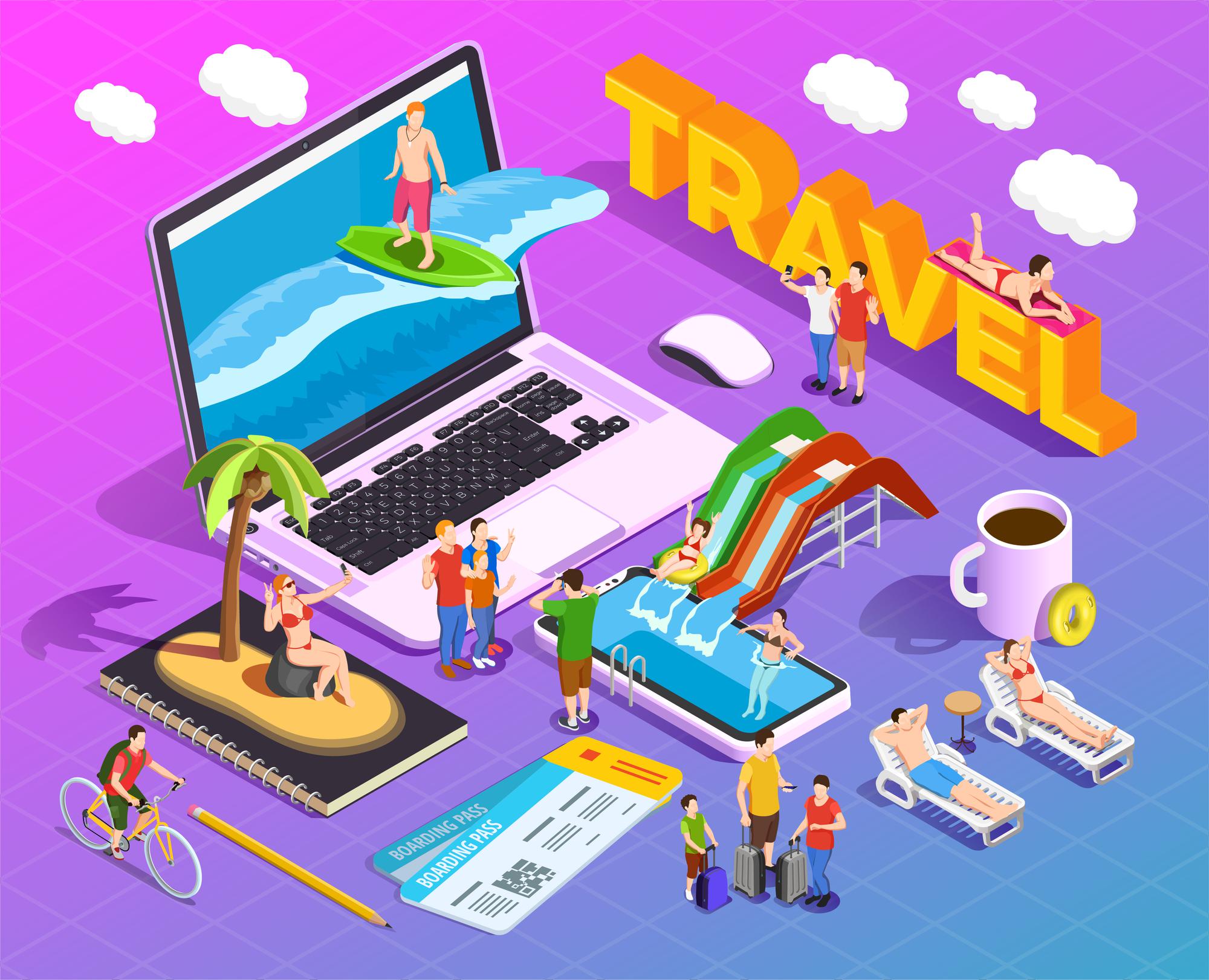

Visiting famous sites and using ready-made packages is no longer what trip planners are looking for when planning their holidays. Today's industry has transformed travel from being site visits and package itineraries to an experience; one that has been providing millions of travelers across the globe the opportunity to experience the true culture and lifestyle of a city—through food, hidden alleys, special events, and everyday life experiences—how local citizens would actually live in and help shape it as a tourist while simultaneously using the latest technology to allow travelers to find new ways to travel.
Using analysis and real-time information about traveler preferences, AI technology has given customers a smarter, personalized, immersive travel experience. Now let's take a look at how AI technology will prepare travelers for a unique and memorable city travel adventure
The Rise of AI in Local Travel Experiences
As AI continues to gain traction within a wide variety of industries, it has emerged as a major player in travel. With the development of intelligent recommendation engines and real-time mapping systems, these tools work to understand users' behaviors when making travel arrangements and provide them with personalized suggestions based on their unique preferences and interests.
Unlike traditional travel guides, which provide uniform recommendations for travelers, AI-based solution providers rely heavily on user interests and searches, user location and travel patterns, and local reviews and trending social media content. By doing so, AI creates bespoke user experiences by offering suggestions that closely resemble how a local would journey around their city.
Personalized Itineraries Based on Individual Preferences
Best of all, using AI to generate suggested itineraries, the user does not have to rely on pre-established guides or spend excessive time researching all the options themselves. By analyzing individual preferences related to food, travel styles, financial or budget constraints, and available time, the AI can generate a fully customized daily plan.
These plans often include local cafés, neighborhood markets, walking routes, and cultural experiences, all of which are frequently overlooked by traditional tourists and generic travel itineraries.
Discovering Hidden Gems and Local Hotspots
In many popular locations, there are tourist traps that tend to be overpriced and overcrowded. Fortunately, AI-based travel solutions enable tourists to locate hidden gems that are preferred by locals. Many AI travel tools utilize real-time information from local reviews, social media check-ins, and crowd patterns.
These tools offer recommendations for smaller restaurants or street vendor stalls, crafts or cultural art galleries, local community markets or cafés within the neighborhood, and walking paths less known that residents utilize. Gaining access to this type of data allows tourists to experience a much more local atmosphere, while also increasing the amount of money that is spent in those areas.
Smart Navigation That Adapts in Real Time
To navigate a city like a local, you must consider far more than just directions. When using a navigation system powered by AI, users have many features they would not find on a regular map, including crowd and traffic information, recommendations for local transportation, alternative routes through residential neighborhoods, and safety and accessibility information.
AI allows travelers to continually reassess their route as they move through cities, helping them travel quickly and efficiently while feeling confident in unfamiliar environments.
AI-Powered Food and Cultural Recommendations
Food and culture are essential elements of any local travel experience. Artificial intelligence-based travel applications help users discover authentic food and cultural opportunities by utilizing knowledge of personal preferences and close examination of regional trends.
Recommendations may include specific regional dishes unique to a neighborhood, seasonal cuisine specialties, local festivals, arts and entertainment events, and preferred meal times that locals follow to avoid large crowds. This level of personalization encourages travelers to participate as locals do rather than experience destinations only as tourists.
Breaking Language and Cultural Barriers
Cultural differences and language barriers frequently prevent travelers from experiencing the full extent of a destination’s culture. AI-based applications can help translate food menus, street signs, and conversations in real time, assist with etiquette and local customs, and provide accessible travel support through voice-enabled mobile applications.
Eliminating barriers to communication enables visitors to interact with local residents in a more personal way and build stronger connections with the destination.
Supporting Sustainable and Responsible Tourism
Travelers using artificial intelligence tools also help foster environmentally conscious tourism. AI uses visitor flow patterns and environmental data to suggest alternatives during crowded times in popular areas. This helps diminish overcrowding, distribute economic benefits more evenly, encourage environmentally responsible choices, and preserve local culture and environments.
Travelers experience quieter and more meaningful trips, while cities benefit from balanced tourism growth.
Why AI Is the Future of Local Travel
With the increasing complexity of cities and the growing expectations of travelers, AI-powered travel tools will shape the evolution of urban exploration. By combining data analytics and human curiosity, these tools create authentic and personal experiences.
For travelers, AI provides less stress in planning, more valuable local connections, and safer, more enjoyable trips. For host communities, AI supports sustainable economic growth and local development.
Conclusion
Artificial Intelligence (AI) is changing the way people experience cities by offering personalized, immersive, and accessible ways to engage with local culture. AI-powered travel tools help tourists discover unique places, plan efficient routes, connect more deeply with communities, and travel responsibly. In essence, AI creates meaningful connections between locals and visitors.